Indoor Dryer Vent Not Safe in Philadelphia
Professional Dryer Vent services
throughout Philadelphia and the surrounding suburbs
SERVICES
Indoor Dryer Vent Safety Solutions in Philadelphia
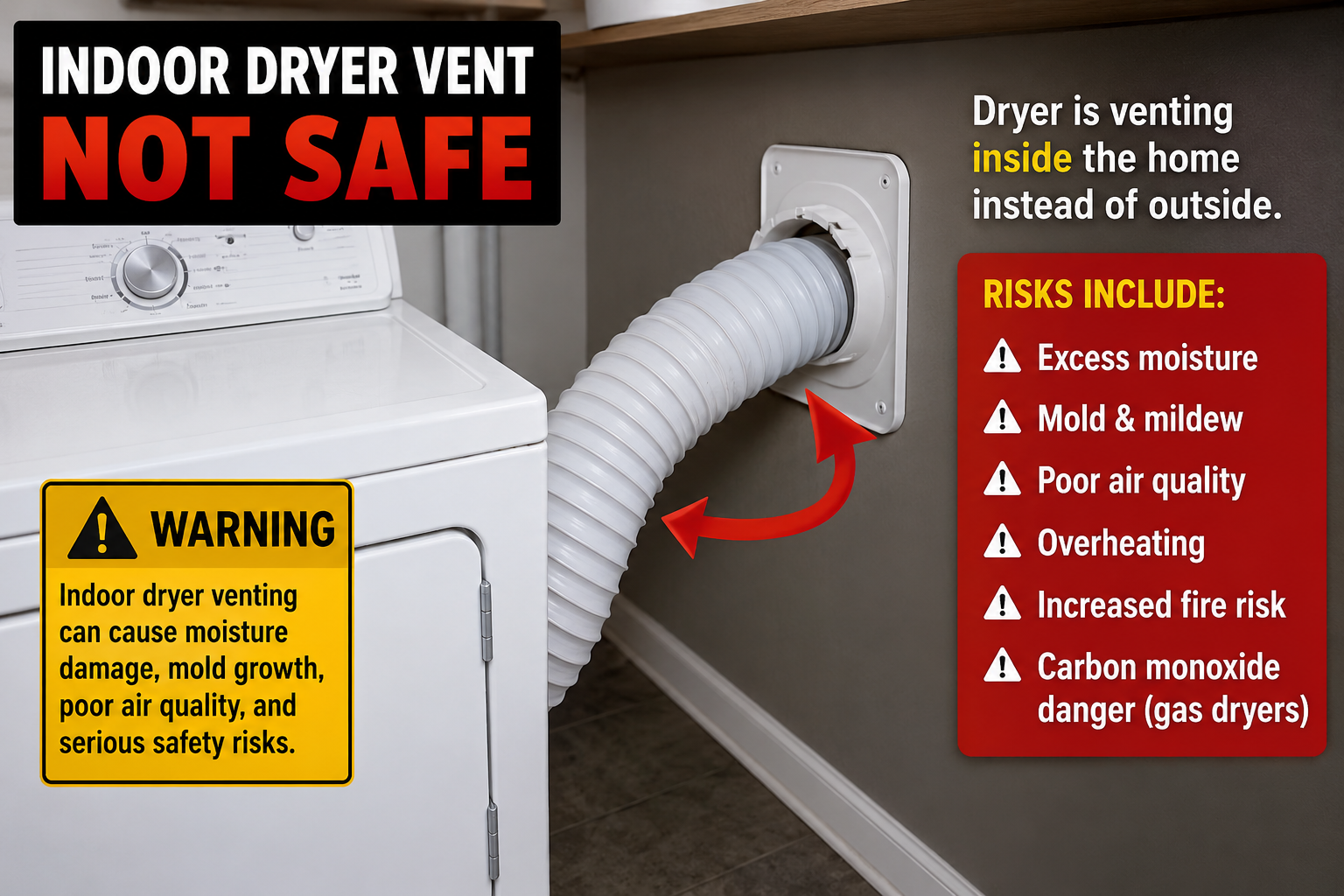
If your dryer vents indoors instead of outside, it can create serious safety, moisture, and air quality issues inside the home. Philly Dryer Vent Pros provides professional dryer vent corrections and upgrades throughout Philadelphia to help ensure dryer systems vent safely and properly outside.
Indoor dryer vent setups are especially dangerous when connected to gas dryers, but even electric dryers can create major problems from moisture, lint buildup, restricted airflow, and overheating.
Many homeowners are unaware their dryer is venting improperly until they begin noticing humidity issues, overheating, excess lint, or poor dryer performance.
Serving Philadelphia & surrounding suburbs with licensed, professional service.
Why Indoor Dryer Venting Is Unsafe
Dryers are designed to push hot air, moisture, and lint safely outside the home. When that air vents indoors, it can create multiple problems throughout the property.
In many Philadelphia homes, we commonly find indoor venting setups connected to basement laundry rooms, utility areas, crawl spaces, garages, or temporary indoor vent kits that were never designed for long-term safe operation.
Common Indoor Venting Problems
• Excess moisture released into the home
• Increased humidity and condensation
• Mold and mildew growth potential
• Lint buildup indoors
• Poor indoor air quality
• Restricted airflow and overheating
• Increased fire risk
• Potential carbon monoxide danger with gas dryers
Indoor dryer venting is especially common in older homes, basement laundry areas, apartments, and DIY installations throughout Philadelphia.
Signs Your Dryer May Be Venting Indoors
Indoor dryer venting problems often create noticeable warning signs throughout the home. Excess moisture, poor airflow, lint buildup, and overheating issues are all common indicators the dryer may not be venting safely outside.
Common Signs of Unsafe Indoor Dryer Venting
• Excess humidity in the laundry room
• Windows fogging during dryer operation
• Hot air blowing into the room
• Visible
lint collecting indoors
• Musty or damp smells near the dryer
• Mold or mildew around laundry areas
•
Dryer overheating frequently
•
Clothes taking too long to dry
• Vent hose not connected to an exterior vent
• Indoor lint trap bucket attached to the vent line
If your dryer is not properly venting outside the home, the system should be inspected and corrected.
Proper Dryer Venting vs Indoor Venting
A properly installed dryer vent system safely removes heat, moisture, lint, and exhaust air outside the home using rigid metal ducting and proper exterior vent termination.
What we commonly find instead are indoor venting setups that release moisture and lint directly into basements, laundry rooms, garages, crawl spaces, attics, or utility areas.
Improper indoor venting can lead to:
• Excess humidity buildup
• Moisture damage
• Mold growth potential
• Poor airflow performance
• Increased lint accumulation
• Overheating problems
•
Reduced dryer efficiency
• Air quality concerns
For gas dryers, improper indoor venting may also create dangerous carbon monoxide risks.

Why This Is a Serious Safety Issue
Indoor dryer venting creates more than just efficiency problems. It can create long-term safety, moisture, and indoor air quality concerns throughout the home.
Fire Hazard Risk
Indoor venting setups often allow lint to accumulate more rapidly around the dryer and inside the vent line, increasing fire potential.
Moisture and Mold Problems
Dryers release significant moisture during operation. Venting that moisture indoors can contribute to mold, mildew, condensation, and humidity issues over time.
Carbon Monoxide Risk for Gas Dryers
Gas dryers produce combustion gases that must vent safely outside the home. Improper indoor venting can potentially allow dangerous gases to accumulate indoors.
Reduced Dryer Performance
Improper venting restricts airflow and makes the dryer work harder, leading to overheating, longer dry times, and additional wear on the appliance.
Benefits of Proper Exterior Dryer Venting
Correcting indoor dryer venting can significantly improve dryer safety, airflow performance, and indoor air quality throughout the home.
Benefits of Correcting Indoor Dryer Venting
• Improved airflow and efficiency
• Reduced fire risk
• Better moisture control
• Improved indoor air quality
• Faster drying times
• Reduced lint buildup indoors
• Lower humidity levels
• Safer operation for gas dryers
• Longer dryer lifespan
Correcting indoor dryer venting is one of the most important dryer safety upgrades homeowners can make.
Common Problems We Find
We frequently find unsafe indoor dryer venting setups throughout Philadelphia homes, especially in older properties, basement laundry rooms, and remodeled areas where proper exterior venting was never installed.
Common Indoor Dryer Vent Issues
• Dryers venting directly into basements
• Indoor lint trap vent buckets
• Vent lines terminating in crawl spaces
• Improper attic venting
• Flexible foil vent hoses
• Disconnected dryer vent ducting
• Crushed or restricted vent lines
• Excessively long vent runs
• Poor exterior vent placement
• Older vent systems that were never updated properly
These issues are especially common in older Philadelphia row homes and remodeled laundry areas.
Our Solution
Depending on the condition of the current setup, we may recommend:
• Installing proper exterior vent termination
• Rerouting the dryer vent outside
• Replacing unsafe vent materials
•
Upgrading to rigid metal ducting
• Correcting airflow restrictions
• Replacing damaged vent lines
• Improving vent routing efficiency
• Updating the system to safer standards
Our goal is to ensure the dryer vents safely, efficiently, and properly outside the home.
What To Expect
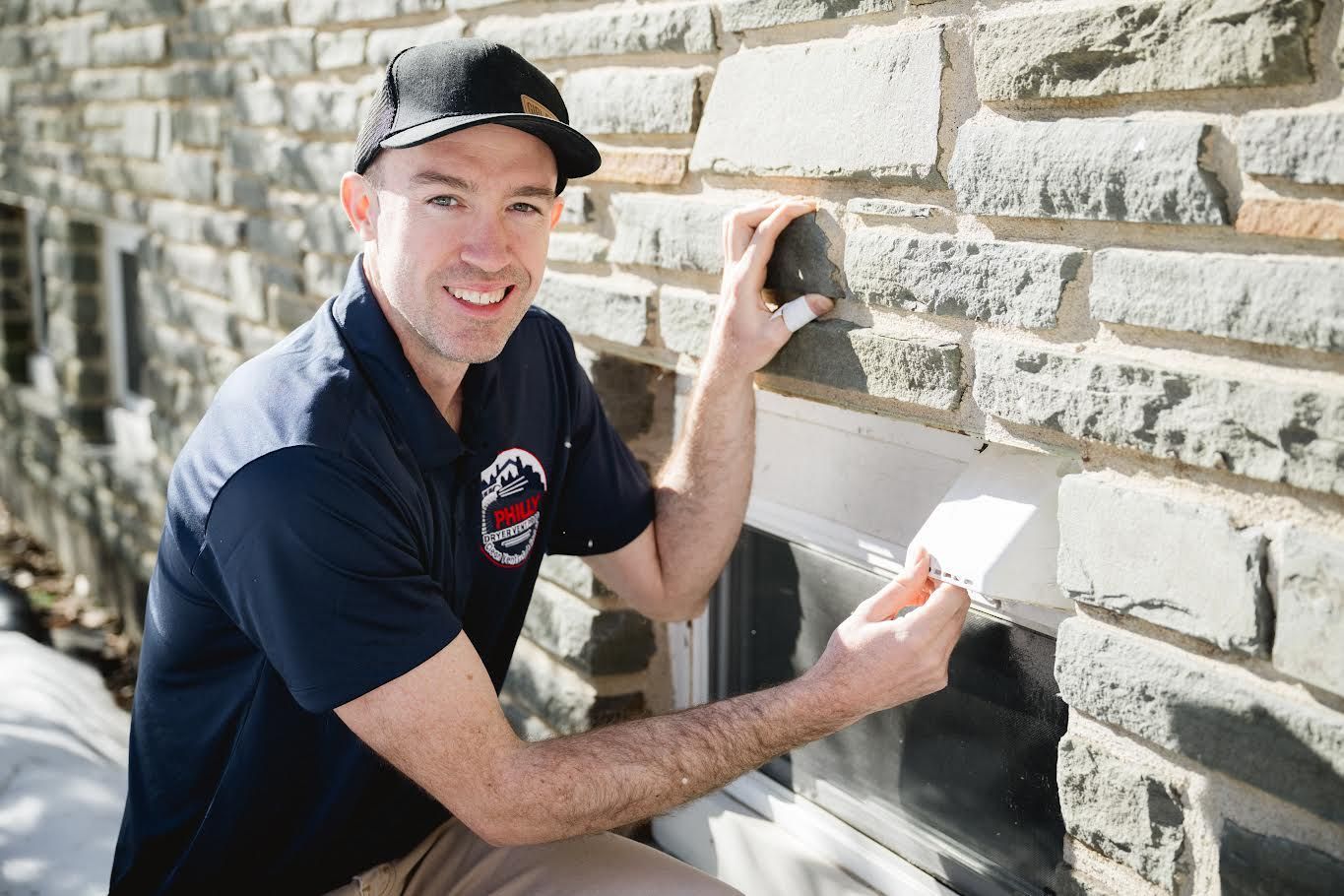
When you contact Philly Dryer Vent Pros, we’ll inspect the current dryer vent setup and identify any safety concerns, airflow restrictions, or improper venting issues.
We’ll explain the problem clearly, recommend the safest and most effective correction options, and answer any questions before work begins.
Most dryer vent correction and rerouting projects can be completed quickly, and we make sure the system is operating safely and efficiently before we leave.
Indoor Dryer Vent Corrections Throughout Philadelphia
We provide dryer vent rerouting and correction services throughout Philadelphia, including:
• Fishtown
•
South Philadelphia
• Chestnut Hill
• Northeast Philadelphia
• Roxborough
• Manayunk
We also service:
•
King of Prussia
•
Montgomery County
• Bucks County
• Delaware County
• Chester County
Many homes throughout these areas still have unsafe indoor dryer venting setups that should be professionally corrected.
Code-Compliant Dryer Vent Installation
Many indoor dryer vent systems do not meet modern safety and airflow standards. We help ensure your dryer vent system uses proper materials, safe routing, and efficient exterior venting design.
Proper dryer vent installation is especially important for:
• Gas dryers
• Basement laundry rooms
• Older homes
• Renovated properties
• Long vent runs
• Tight laundry room spaces
Frequently Asked Questions
Is it safe to vent a dryer indoors?
No. Indoor dryer venting can create moisture, lint, airflow, and safety issues inside the home.
Can indoor dryer venting cause mold?
Yes. Dryers release moisture during operation, and venting that moisture indoors can contribute to mold and mildew growth.
Why is indoor dryer venting dangerous for gas dryers?
Gas dryers produce combustion gases that must vent safely outside. Improper venting may create carbon monoxide risks.
What are indoor lint trap buckets?
These are indoor venting devices that attempt to catch lint while releasing heat and moisture indoors. They are often associated with moisture and airflow issues.
Can poor venting cause overheating?
Yes. Restricted airflow and improper venting commonly contribute to dryer overheating.
How long does correcting indoor dryer venting take?
Most correction and rerouting projects can be completed within a few hours depending on the complexity of the system.
Schedule Professional Dryer Vent Services Today
If your home currently uses an indoor dryer vent kit, converting it to a properly vented exterior system is often the safest long-term solution. Learn more about our
Indoor Dryer Vent Conversion service and how we can evaluate your home's setup.